

The Costa del Sol has long attracted international buyers. What is changing today is not the level of demand, but the way buyers think about the region.
Conversations that once revolved around opportunity now revolve around resilience: planning regulations, landscape preservation, infrastructure and the long-term stability of communities.
International demand remains a defining feature of the Spanish property market. Foreign buyers accounted for 32.8% of all property purchases in Málaga province in 2025 — the second-highest rate in Spain, after Alicante. Source: College of Registrars, via idealista/news, April 2026
Yet beneath these numbers, something quieter is happening. The questions buyers ask today reveal a market that is becoming more thoughtful and more selective.
1. “Is this location structurally secure long-term?”
One of the most common questions international buyers ask today is surprisingly simple: Will this place still feel the same in fifteen years?
Across much of the Mediterranean, coastal development has accelerated dramatically over the past two decades. Entire stretches of coastline have transformed from small towns into dense resort corridors in a relatively short period of time.
Buyers are increasingly aware of this dynamic, and as a result, they are focusing far more on micro-locations than on regional reputation alone.
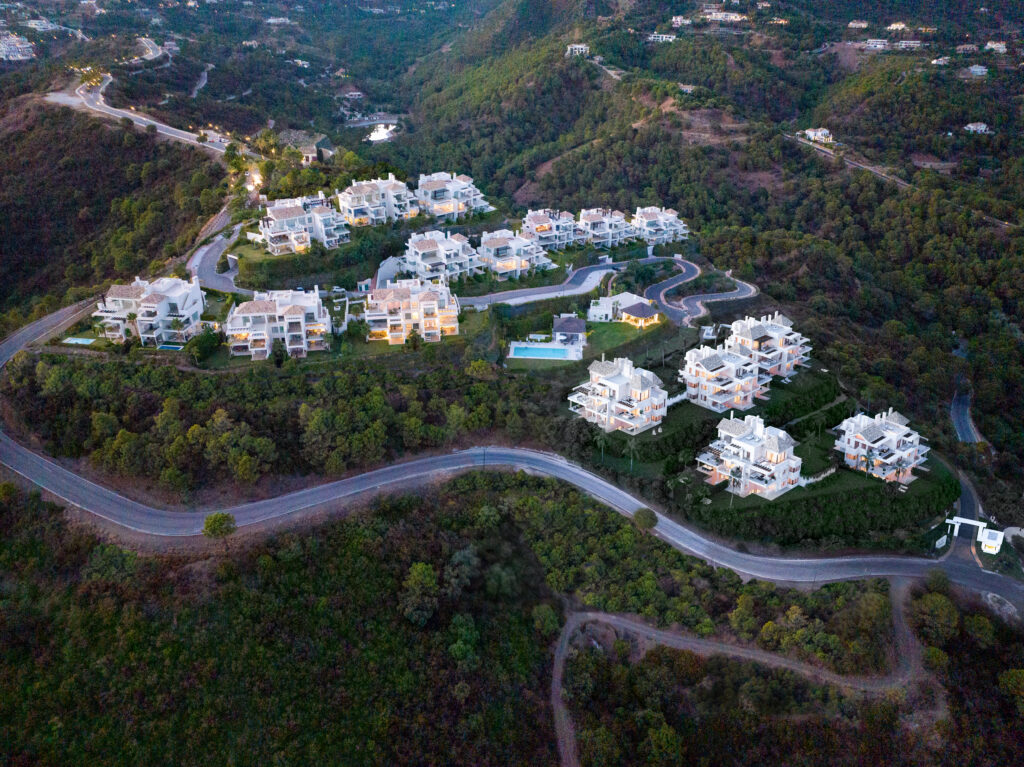
Hillside municipalities such as Benahavís illustrate why. Large portions of the municipality consist of protected hillsides, golf estates and low-density residential planning. Continuous high-rise expansion is geographically and politically constrained.
For buyers thinking in terms of decades rather than seasons, these structural characteristics matter.
They influence:
- view protection
- development density
- infrastructure pressure
- long-term property values
Insider observation #1
Agents working in the area describe a clear change in due diligence. Sophisticated buyers now frequently request access to municipal planning information as part of the purchasing process.
This level of scrutiny was once rare. It is now becoming part of standard conversations, particularly at the upper end of the market.
2. “Who are my neighbours likely to be?”
In premium residential markets, the surrounding community often matters as much as the property itself. International buyers increasingly want to understand who else has chosen the same location.
- Are neighbouring properties primarily second homes?
- Are residents long-term owners?
- Is the community internationally diverse or dominated by short-term rental activity?
Marbella Club Hills now hosts residents from more than twenty nationalities, with strong representation from northern Europe, particularly Belgium, the Netherlands, Sweden, Denmark, the UK, and Germany.
This diversity tends to create a distinctive residential atmosphere. Communities where owners share similar expectations around privacy, maintenance and long-term ownership often develop a stable social fabric over time.
3. “How private is it, really?”
Privacy has always been a feature of luxury property. But in recent years, its meaning has evolved. Following the pandemic, many international buyers began spending longer periods of the year in Spain. Properties that once functioned purely as holiday homes increasingly became seasonal residences. That shift brought new priorities.
Several practical factors often define privacy today:
- distance from dense tourist zones
- controlled access to residential communities
- natural topography protecting sightlines
- lower levels of short-term rental turnover
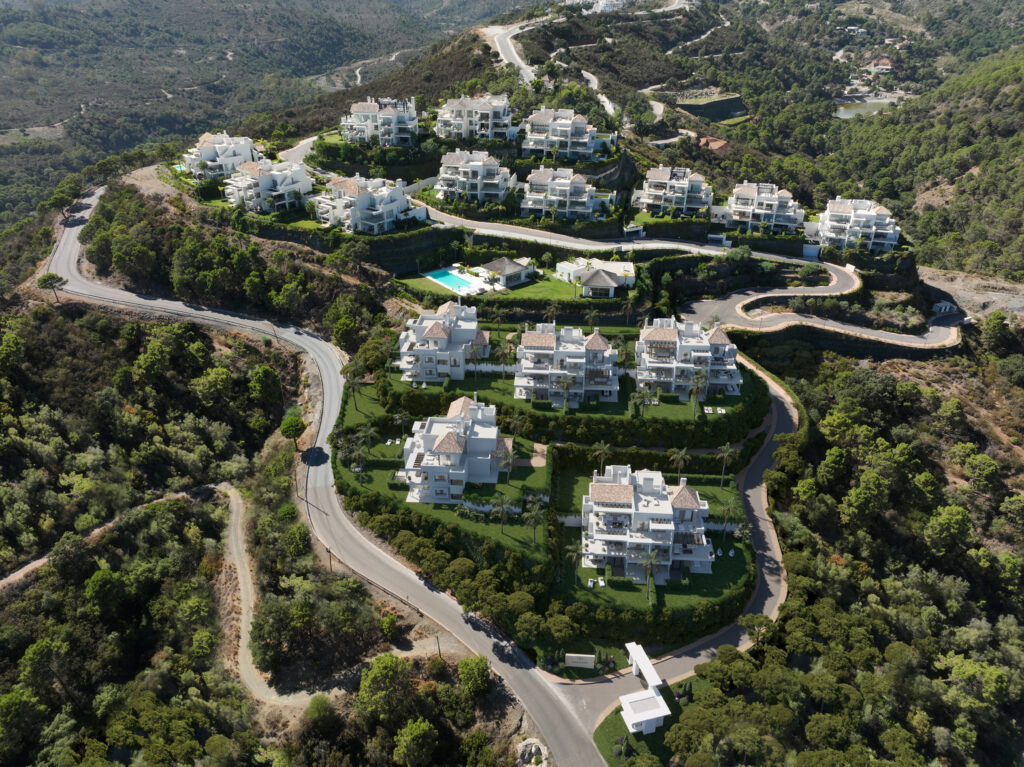
This is one reason elevated residential areas slightly inland from the coastline have become increasingly attractive. Hillside locations offer panoramic views, but they also provide natural physical separation from high-traffic coastal corridors.
Insider observation #2
One of the most frequent buyer concerns today is short-term rental saturation. Many international buyers now explicitly ask whether a development permits unrestricted holiday rentals, and some deliberately choose communities where such rentals are limited.
4. “Will this property still feel relevant in fifteen years?”
Luxury architecture has become increasingly expressive over the past decade. Yet not all designs age well. Buyers today often look beyond aesthetic impact and focus instead on timelessness.
Properties designed around orientation, natural light and landscape integration tend to maintain their appeal far longer than those built around short-term architectural trends. Sustainability also plays a growing role. Energy efficiency, durable materials and thoughtful site planning are increasingly viewed not simply as environmental considerations but as signals of long-term quality.
Insider observation #3
Architects working in Marbella note that international buyers increasingly request simpler architectural palettes such as natural stone, wood, neutral facades, rather than the more experimental designs popular in the early 2010s. The goal is longevity.
5. “Is this a lifestyle decision, or a capital allocation decision?”
Perhaps the most sophisticated question buyers ask today is whether purchasing property in southern Spain should be viewed primarily as a lifestyle choice or as an investment decision.
In reality, the two have become closely intertwined. The Costa del Sol luxury market is deeply international. In the high-end segment, around 90% of transactions are completed by overseas buyers, linking the region directly to global wealth flows. At the same time, mobility patterns are changing.
Many buyers now combine remote work, travel and partial relocation across several countries. Homes in Spain are no longer purely holiday properties, and they must function comfortably for extended stays. This shift has altered the definition of value.
The most resilient properties tend to deliver two types of return simultaneously:
- the emotional return of lifestyle quality
- the structural stability of a scarce location
Insider observation #4
Buyers rarely talk about “flipping” properties — buying with the intention of reselling quickly for profit — anymore. Instead, the most common time horizon discussed in conversations today is 10–20 years.
A market shaped by infrastructure
Another structural factor influencing buyer decisions is infrastructure. Spain occupies a distinctive position among Mediterranean destinations. Countries such as Portugal, Greece and Italy also attract international buyers, yet Spain combines several advantages that few resort regions can match:
- extensive international flight connectivity
- high-speed rail linking major cities
- international schools and healthcare networks
- year-round tourism economies
Málaga Airport alone now connects the Costa del Sol to more than 150 destinations worldwide, reinforcing the region’s accessibility.
Insider observation #5
Many international buyers now visit the Costa del Sol four to six times per year, not just during summer. The market is increasingly defined by frequent short stays rather than single long holidays.
The importance of scarcity
Another emerging theme in buyer conversations is land scarcity. Much of the most desirable hillside terrain along the Costa del Sol has already been developed. Remaining plots with unobstructed views are increasingly limited. This scarcity naturally concentrates demand into specific residential enclaves.
Insider observation #6
Developers privately acknowledge that the number of truly prime hillside sites remaining in the Marbella–Benahavís–Estepona area is far smaller than many buyers assume.
A quieter, more mature market
Taken together, these conversations suggest that the Costa del Sol property market is entering a more mature phase. Demand remains strong. But decision-making has become more reflective.
Buyers are asking deeper questions about:
- planning regulations
- development density
- community stability
- architectural longevity
- infrastructure
- and environmental context
These considerations indicate a shift away from purely opportunistic purchasing toward a longer-term perspective.
Insider observation #7
In many transactions today, the most detailed discussions happen after the property viewing, not during it. Buyers want to understand the broader ecosystem around a home before making a decision.
The Costa del Sol continues to attract international buyers from across Europe and beyond. But the conversations shaping purchasing decisions today reveal a market that is evolving.
Rather than focusing solely on price growth or rental yields, buyers are increasingly concerned with durability — the qualities that allow a location to maintain its character over time.
In that sense, the most important question is no longer simply where to buy. It is which places are most likely to stand the test of time.
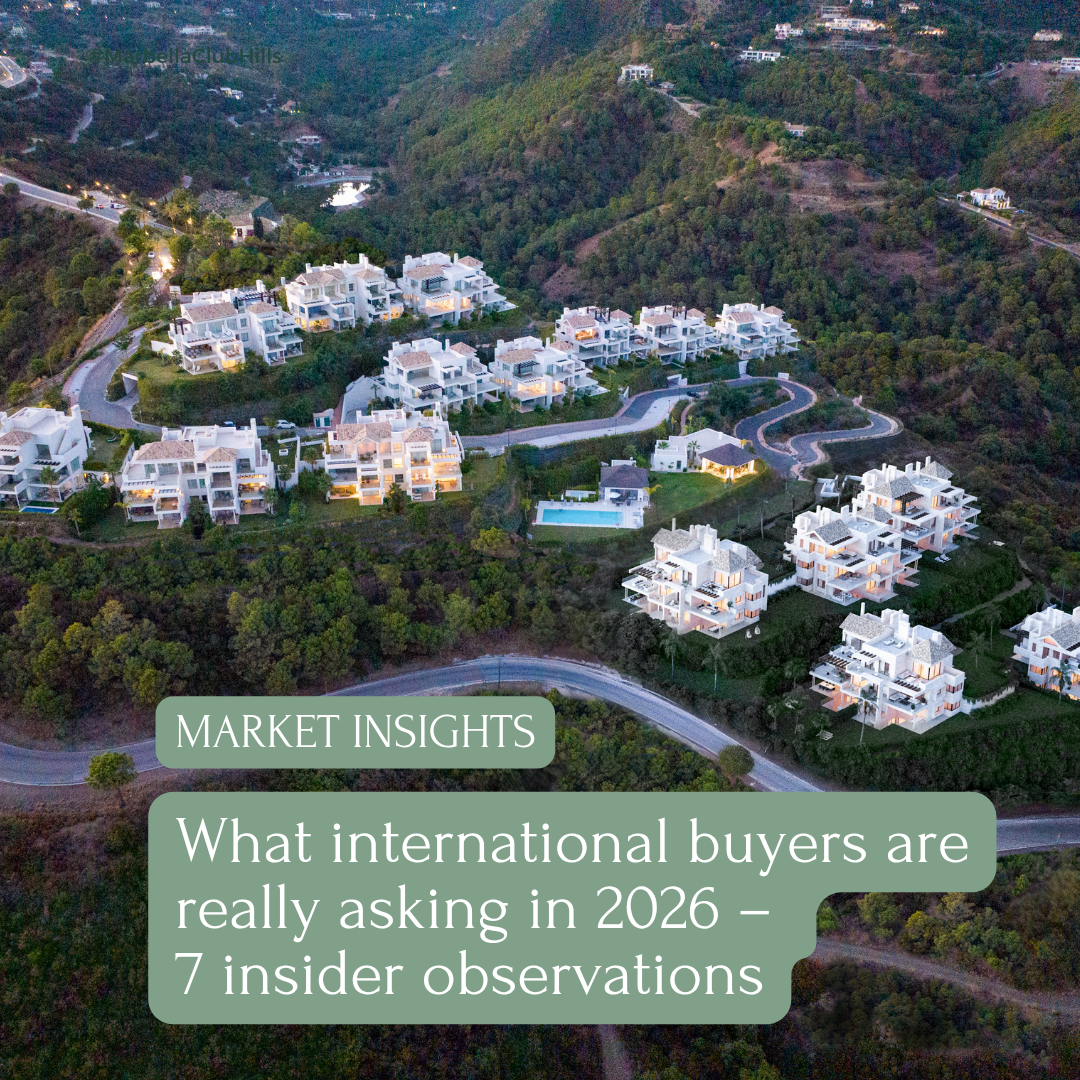
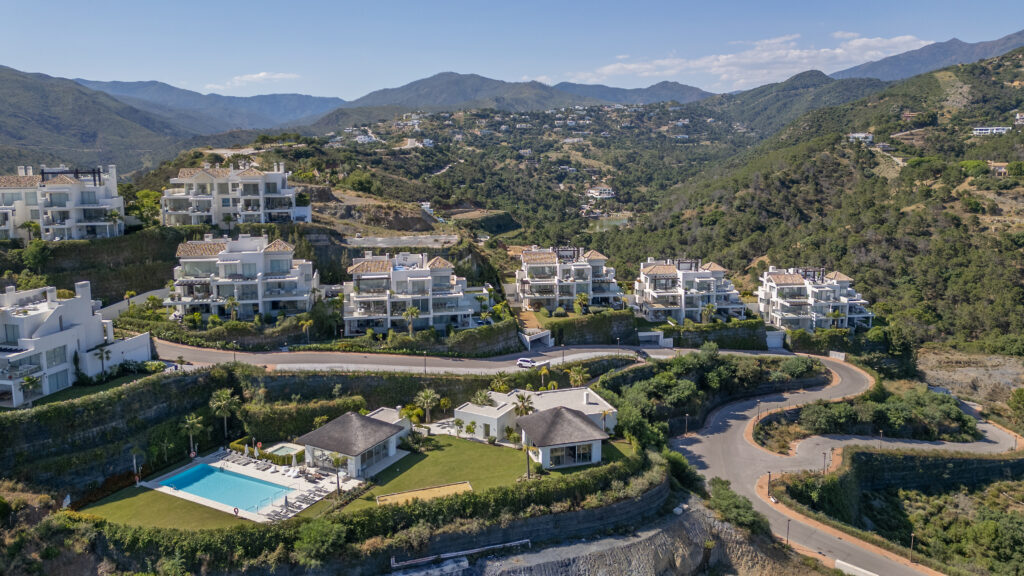
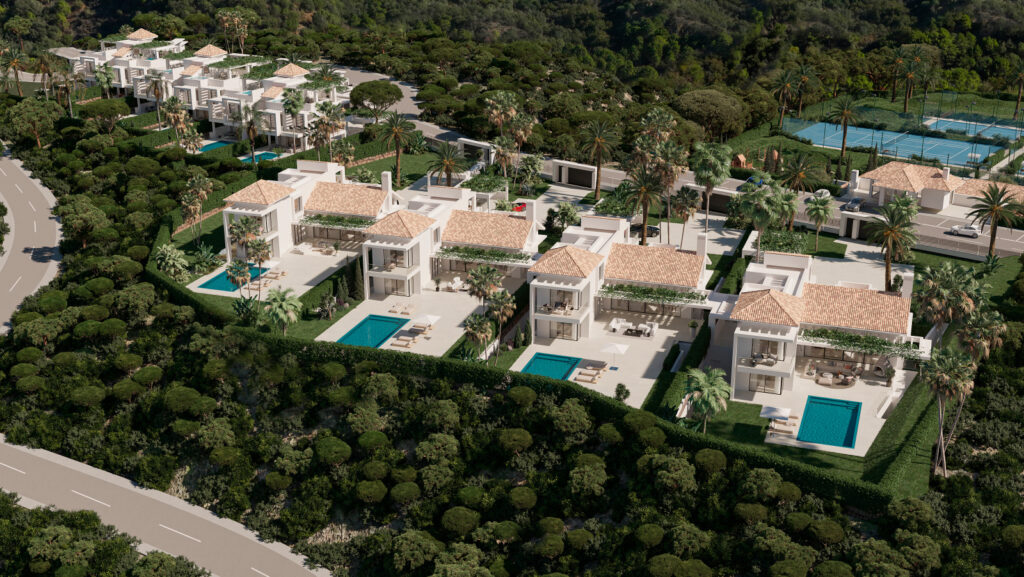
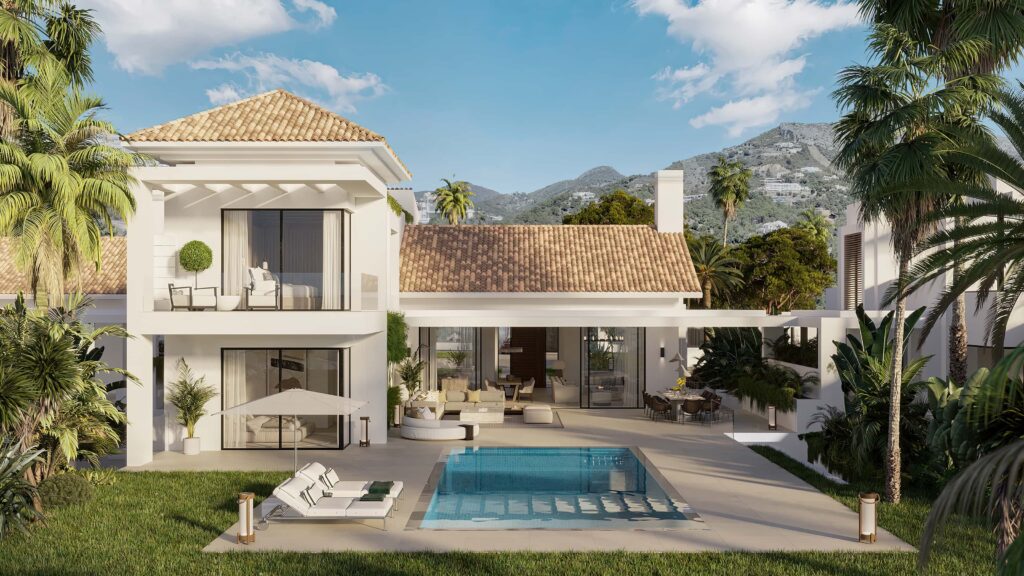
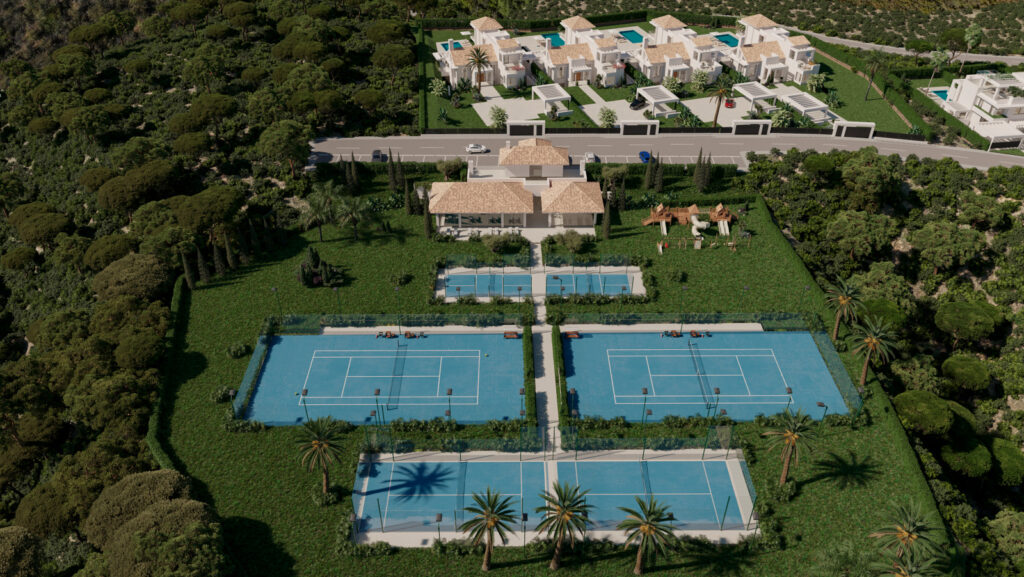
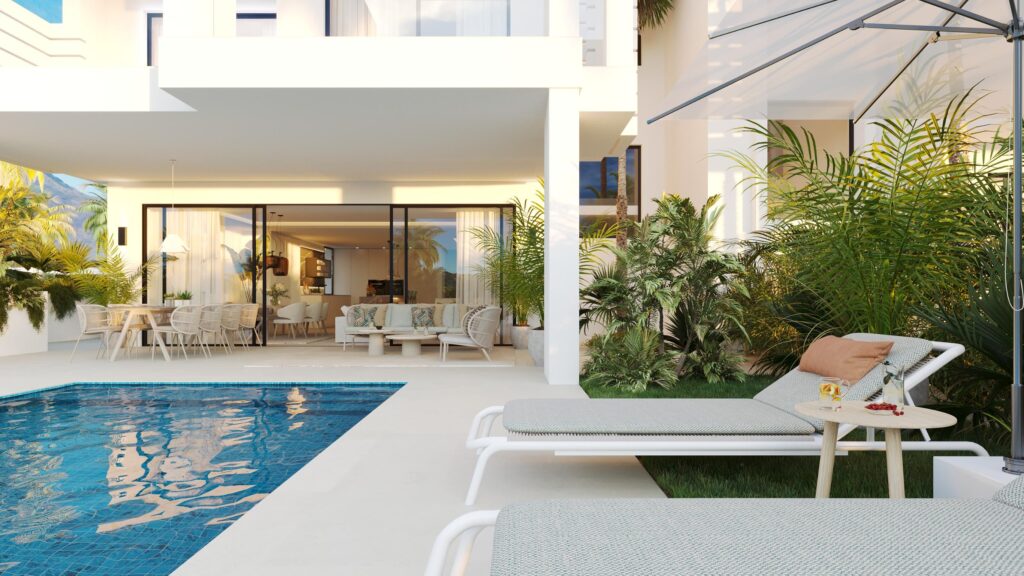
Marbella Club Hills is located within the prestigious Marbella Club Golf Resort, and it showcases the market's versatility, from elegant penthouses with sweeping course views to spacious villas designed for family living.
Phase 1: Already completed and delivered
Phase 2: Currently under construction:
- Penthouses (3-4 bedroom),
- First-floor apartments (2-3 bedrooms), and
- Duplex garden apartments (3-4 bedrooms)
Phases 3 and 4: In the pipeline:
- 4 standalone villas (5 bedrooms), and
- 6 semi-detached villas (5 bedrooms).
Find out more about the real estate market on the coast in our previous publications:
Market Insights: New build vs resale on the Costa del Sol
Market Insights: Spain and Marbella real estate outlook 2026: strength through selectivity
Market Insights: Marbella 2.0: Why the next wave of business migration is already here
Market Insights: Marbella international schools attract relocating families
Market Insights: Understanding the golf property investment advantage
Market Insights: Off-plan as an investment strategy at Marbella Club Hills