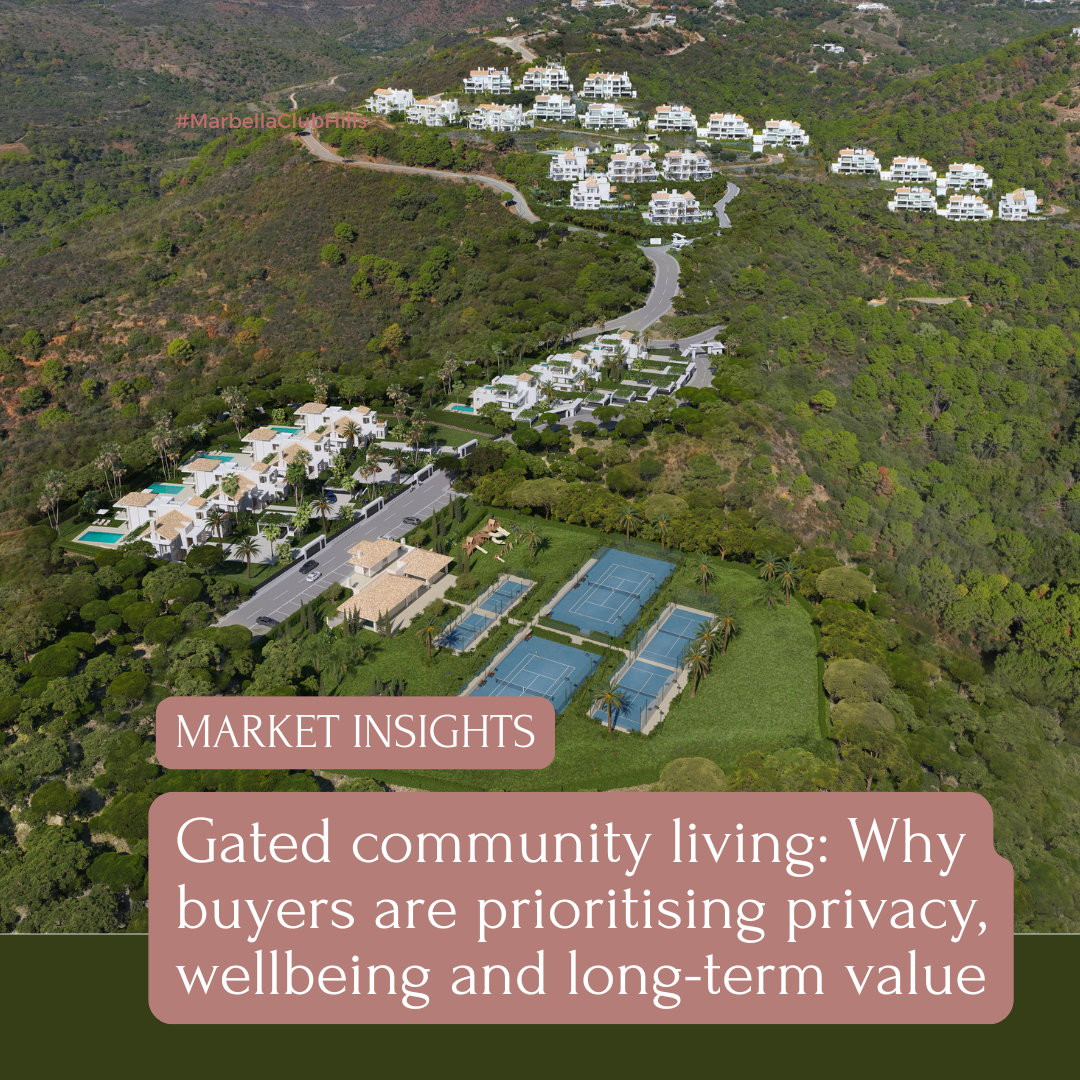


The appeal of gated communities has expanded well beyond security. Across many of the world's prime residential markets, buyers are increasingly looking for homes that combine privacy, green space and a stronger sense of community alongside long-term investment potential.
This shift reflects broader changes in how people define quality of life. While location remains important, buyers are placing greater emphasis on the experience of living somewhere every day: being able to walk safely, spend time outdoors, know their neighbours and feel confident that their investment will hold its value.
Demand is growing across global markets
Gated communities are no longer limited to a handful of luxury destinations. According to the U.S. Census Bureau's American Housing Survey, more than 10 million households now live in gated or access-controlled communities. Similar trends are evident across Latin America, South Africa and the Middle East, while Southern Europe is seeing growing demand from international buyers seeking secure, lower-density developments.
Knight Frank's Wealth Report found that more than two-thirds of ultra-high-net-worth individuals consider security and privacy important factors when selecting a residence. Savills has also reported increasing demand for developments that combine generous green space, controlled density and high-quality amenities.
Rather than responding to short-term concerns, buyers are making deliberate decisions about the kind of environment they want to live in over the long term.
Why safety matters
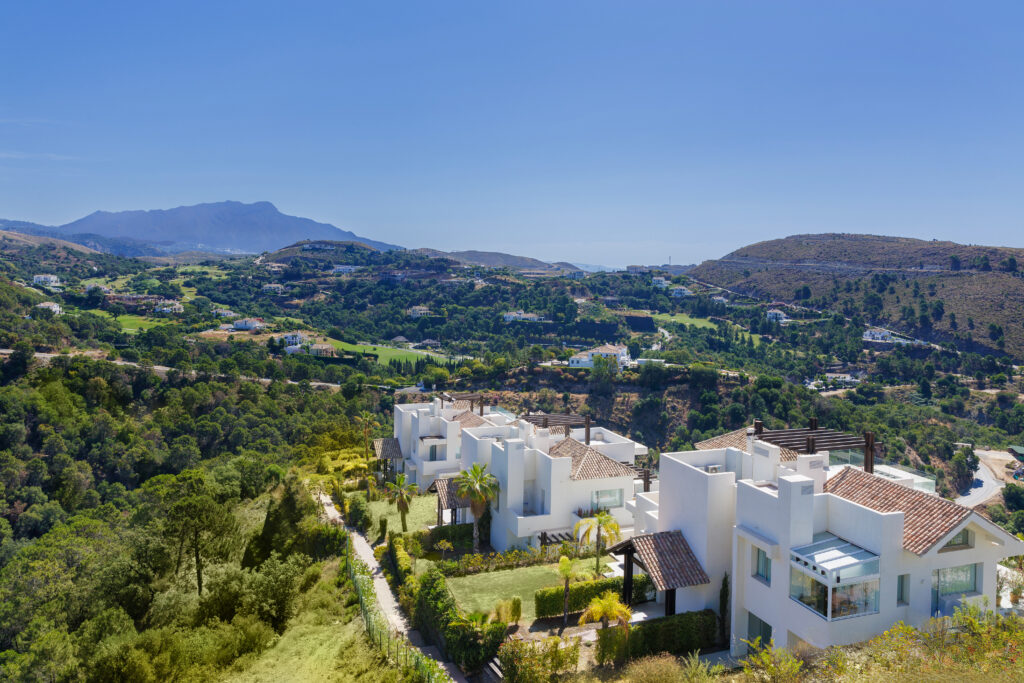
Security is often discussed in terms of crime prevention, but its value extends much further. Research from the World Health Organization identifies housing security as an important determinant of mental wellbeing, while studies published in the Journal of Environmental Psychology show that perceived safety can reduce anxiety and improve overall life satisfaction.
The distinction between actual safety and perceived safety is important. Even in areas with relatively low crime rates, people value environments that allow them to move freely without constantly assessing risk. Features such as controlled access, discreet security and thoughtful master planning contribute to that experience.
For families, this can mean children playing outdoors more independently. For homeowners, it creates the confidence to enjoy communal spaces and spend more time outside. Increasingly, buyers see this as part of everyday quality of life rather than an added luxury.
Green space supports wellbeing
Access to nature has become another priority for buyers.
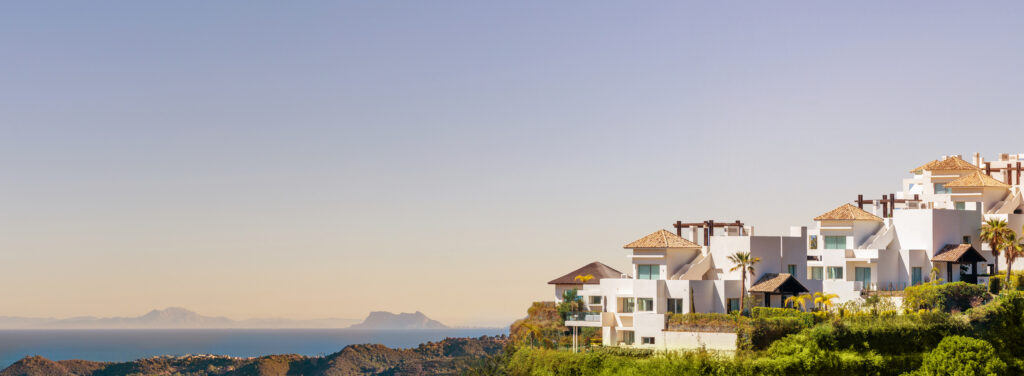
Research published in The Lancet Planetary Health found that people living near green space experience significantly lower risks of depression, while Nature Sustainability has linked daily access to natural environments with lower stress levels and improved cognitive performance. The European Environment Agency has also reported measurable improvements in mental wellbeing as residential green space increases.
For developers, this changes how land is viewed. Rather than maximising the number of homes on a site, successful developments increasingly treat open space as one of their most valuable assets.
Walking trails, landscaped gardens and preserved natural surroundings are no longer simply attractive features. They contribute directly to the quality of everyday life.
Stability supports long-term value
Many of the qualities that make gated communities attractive places to live also strengthen their investment performance.
According to Knight Frank Prime Residential Research, well-managed gated developments typically command premiums of between 5% and 20% over comparable non-gated properties, depending on their location and amenity offering.
Savills has also found that developments combining security, controlled density and generous green space tend to retain their value more effectively during changing market conditions.
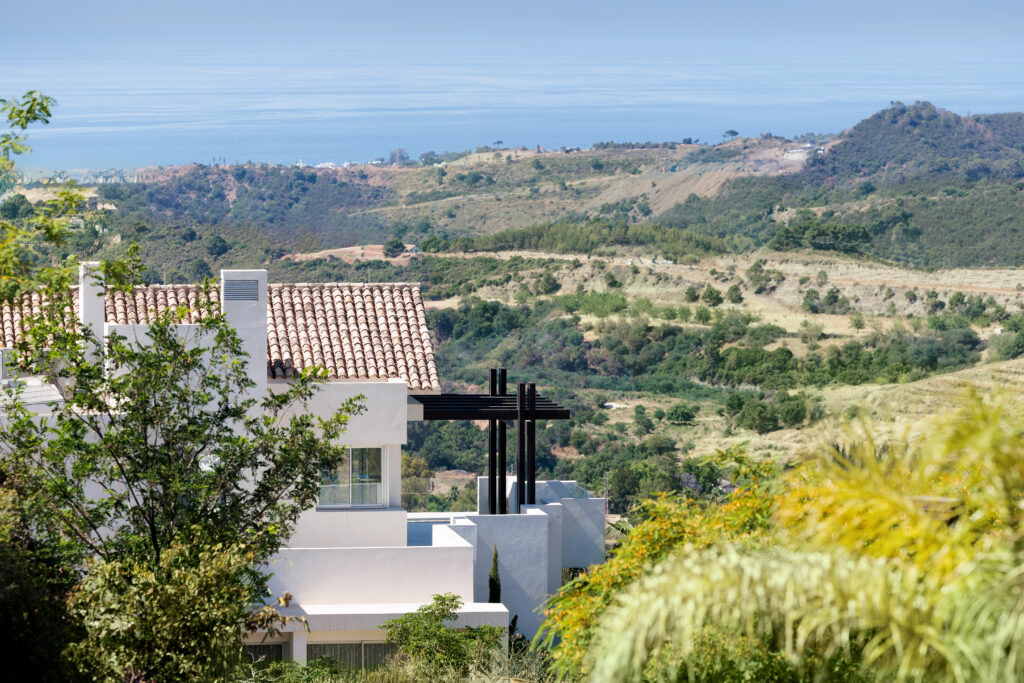
In established lifestyle destinations such as Marbella and Benahavís, these advantages are reinforced by limited land availability and strict planning controls, making genuinely low-density developments increasingly difficult to replicate.
For buyers, this creates a combination that is becoming harder to find: a home that delivers both lifestyle benefits and long-term resilience.
Designing for the future
The next generation of gated communities is moving beyond traditional ideas of exclusivity.
Research from Deloitte and McKinsey shows that buyers increasingly expect developments to integrate wellness, sustainability and technology into everyday living.
This includes energy-efficient architecture, responsible water management, native landscaping and smart access systems that improve convenience without becoming intrusive.
The most successful developments are no longer defined by what they build, but by what they choose not to build.
Marbella Club Hills reflects a changing market
Marbella Club Hills reflects many of the trends shaping today's residential market.
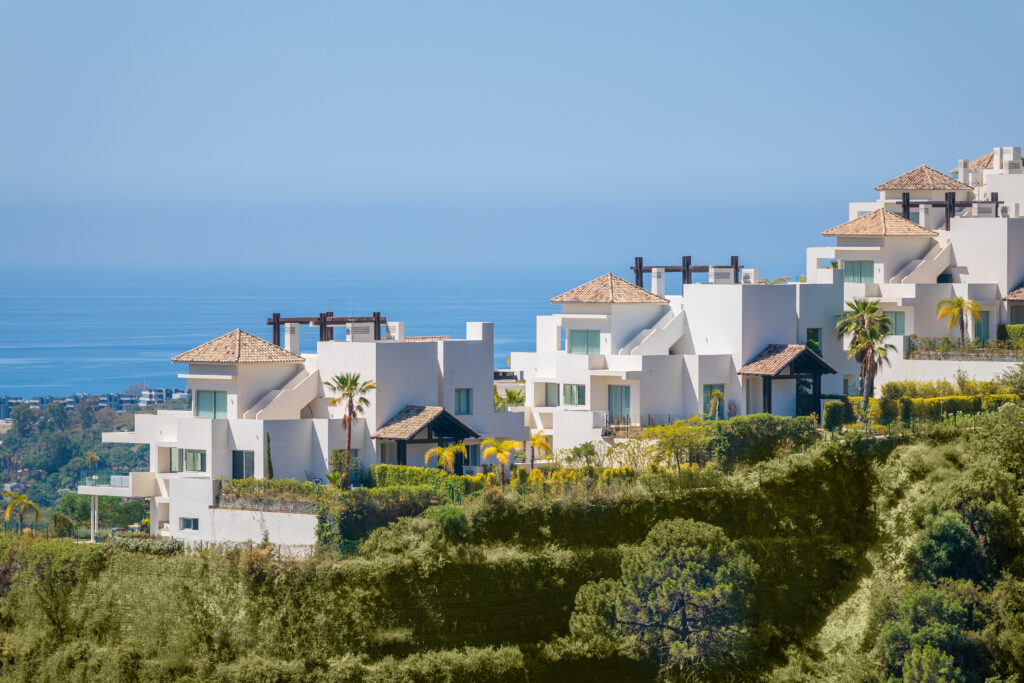
Set within 158,000 square metres of protected landscape, only 5% of the site is allocated to construction. Rather than maximising density, the development preserves extensive green space, panoramic views and a greater sense of openness than many comparable projects on the Costa del Sol.
Residents benefit from controlled access, landscaped walking areas, and direct access to Marbella Club Golf Resort and the Equestrian Centre. The result is a community designed around privacy, nature and everyday liveability rather than simply increasing the number of residences.
As developable land becomes scarcer across Southern Spain, this approach is becoming increasingly uncommon. Savills estimates that relatively few new luxury developments restrict construction to less than 10% of their total land area.
For buyers, that restraint may prove to be one of the development's greatest strengths. It creates an environment that supports wellbeing today while helping protect long-term value for the future.